Skip to content
ACM

The Traditions of Dominican Carnaval

A living heritage of 500+ years, blending Spanish, African, and Catholic influences

Dominican Carnaval reaches its national peak throughout February and on Independence Day, February 27, while distinctive regional traditions follow their own calendars—including Cabral’s Holy Week Carnaval Cimarrón and Cocolo performances in San Pedro de Macorís. Together they form a living cultural atlas shaped by place, craft, music, memory, and community.

Dominican Carnaval Cultural Atlas

Where the Traditions Come From

Explore all 32 provinces and seven highlighted traditions. Select a region, marker, or illustrated costume card to connect place, character, craft, season, and history.

Loading map / Cargando mapa…

Drag or pinch to move, use the controls to zoom, and select any highlighted province, marker, or costume card.

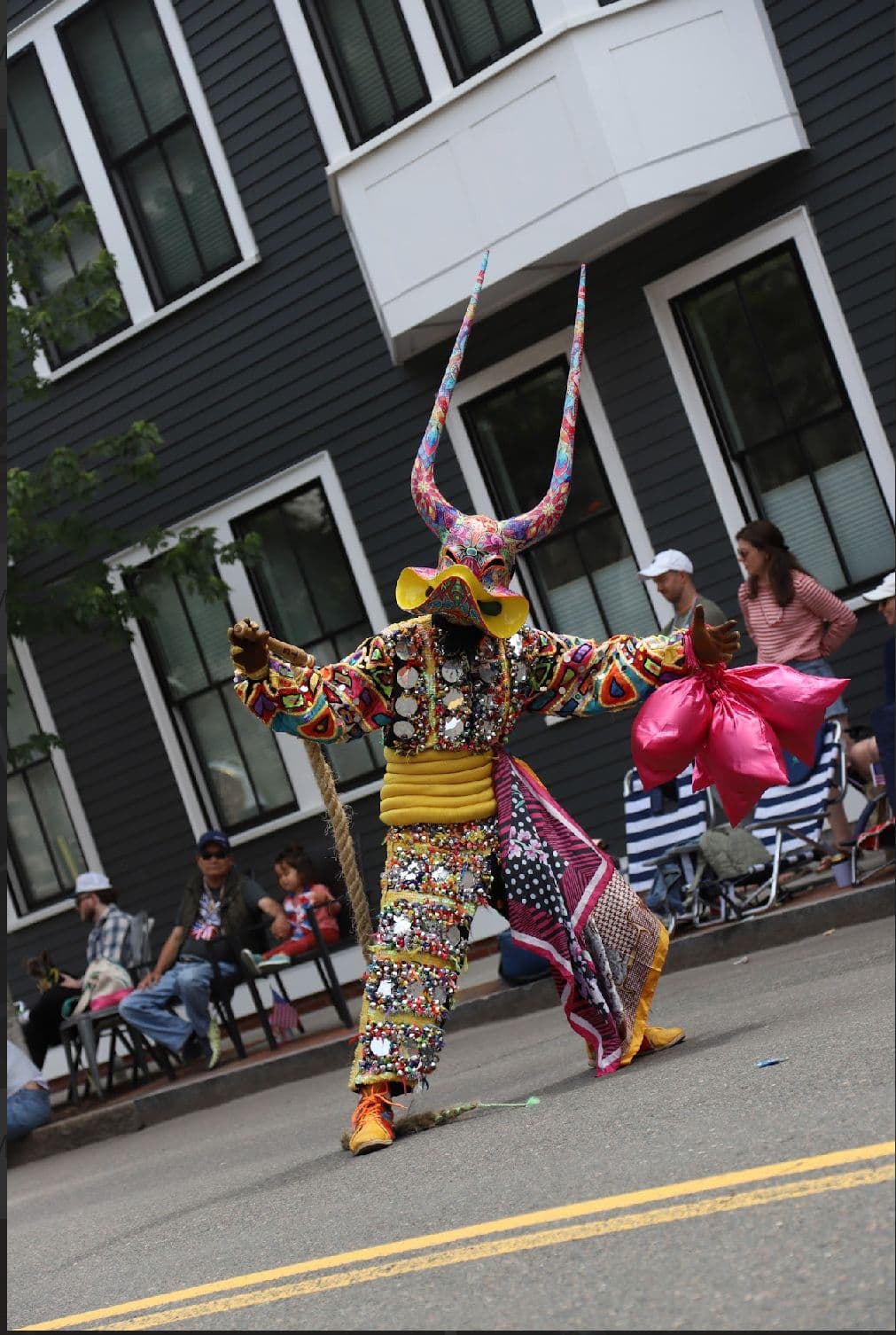
ACM Lechón performer in a vivid horned, pig-snouted mask and beaded carnival suit
Documentary photograph provided by ACM.

Regional tradition · Santiago de los Caballeros

Lechones de Santiago

Santiago’s Lechones are known for pig-like snouts, brilliantly colored horned masks, neighborhood-specific styles, and the crack of sisal-rope whips as they guard and lead the carnival route.

When it appears

February Carnaval

Costume & character details

  • A pig-like snout anchors the vividly painted, horned papier-mâché mask.
  • Pepinero and Joyero traditions distinguish neighborhood costume styles.
  • A sisal-rope whip announces the Lechón’s role guarding the parade route.
ACM Lechón performer in a vivid horned, pig-snouted mask and beaded carnival suit
TradicionalSantiago de los Caballeros

Lechones de Santiago

The lechones represent the traditional style of Dominican carnival. As the host of the country's second-largest carnival — and a region known for its pork — Santiago weaves pig imagery into its costumes. These beautiful masks, shaped like pigs (and sometimes ducks), are crafted from clay molds covered with papier-mâché, then shined, painted, and decorated with vibrant colors, each uniquely designed to represent its neighborhood.

Every lechón must know how to crack the whip and perform the traditional dance. Their movement is distinctly African in origin — as Stelvyn describes it, they move through the crowd like the Paso Fino horse, with precise, rhythmic steps that tell the story of centuries of cultural fusion. Historically, the lechones were seen as guardians of the carnival, leading the parade and keeping crowds in check with whips made from sisal rope that crack with a sharp, intimidating sound.

"They move through the crowd like the Paso Fino horse" — Stelvyn Mirabal
FantasíaLa Vega

Diablo Cojuelo de La Vega

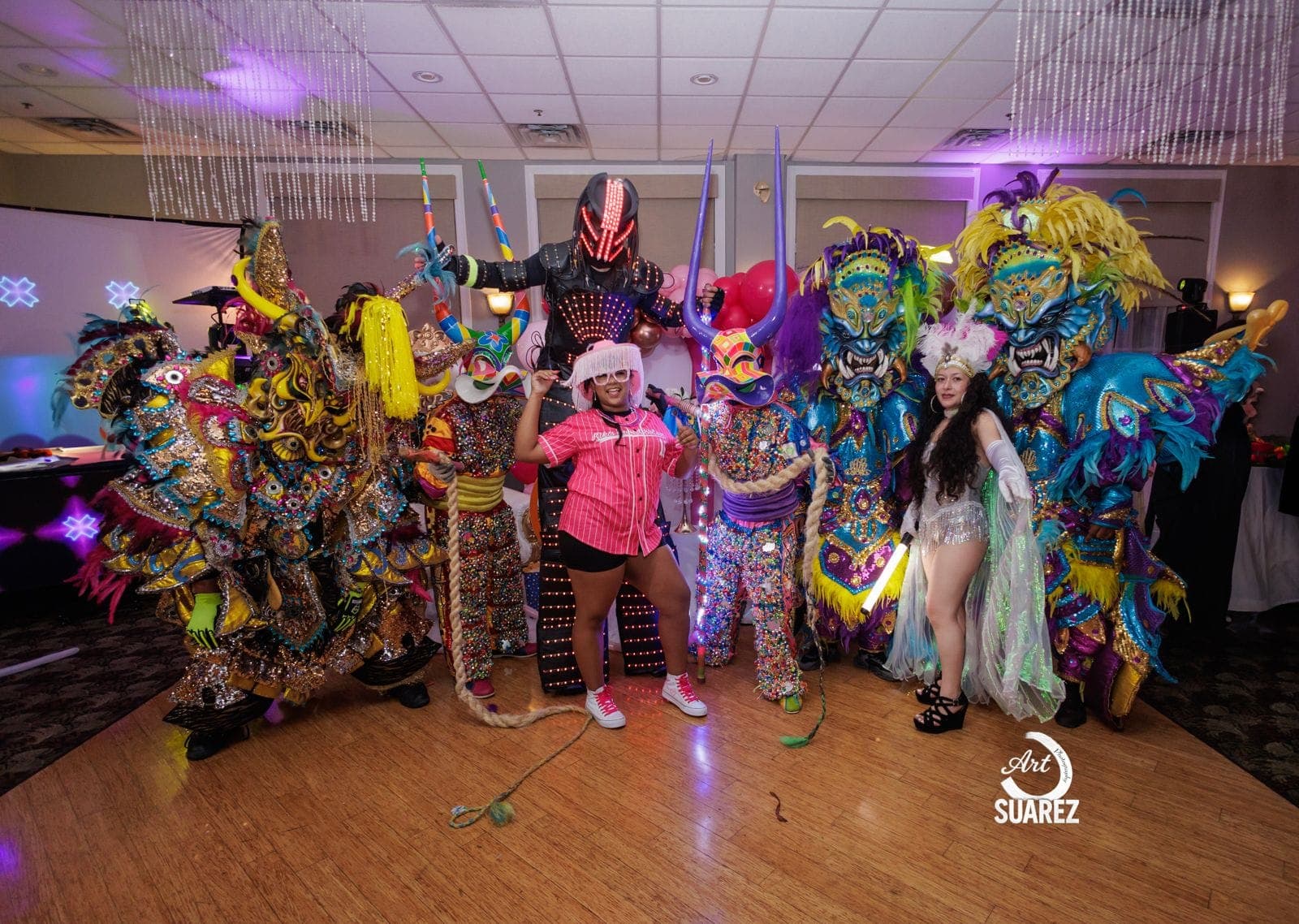
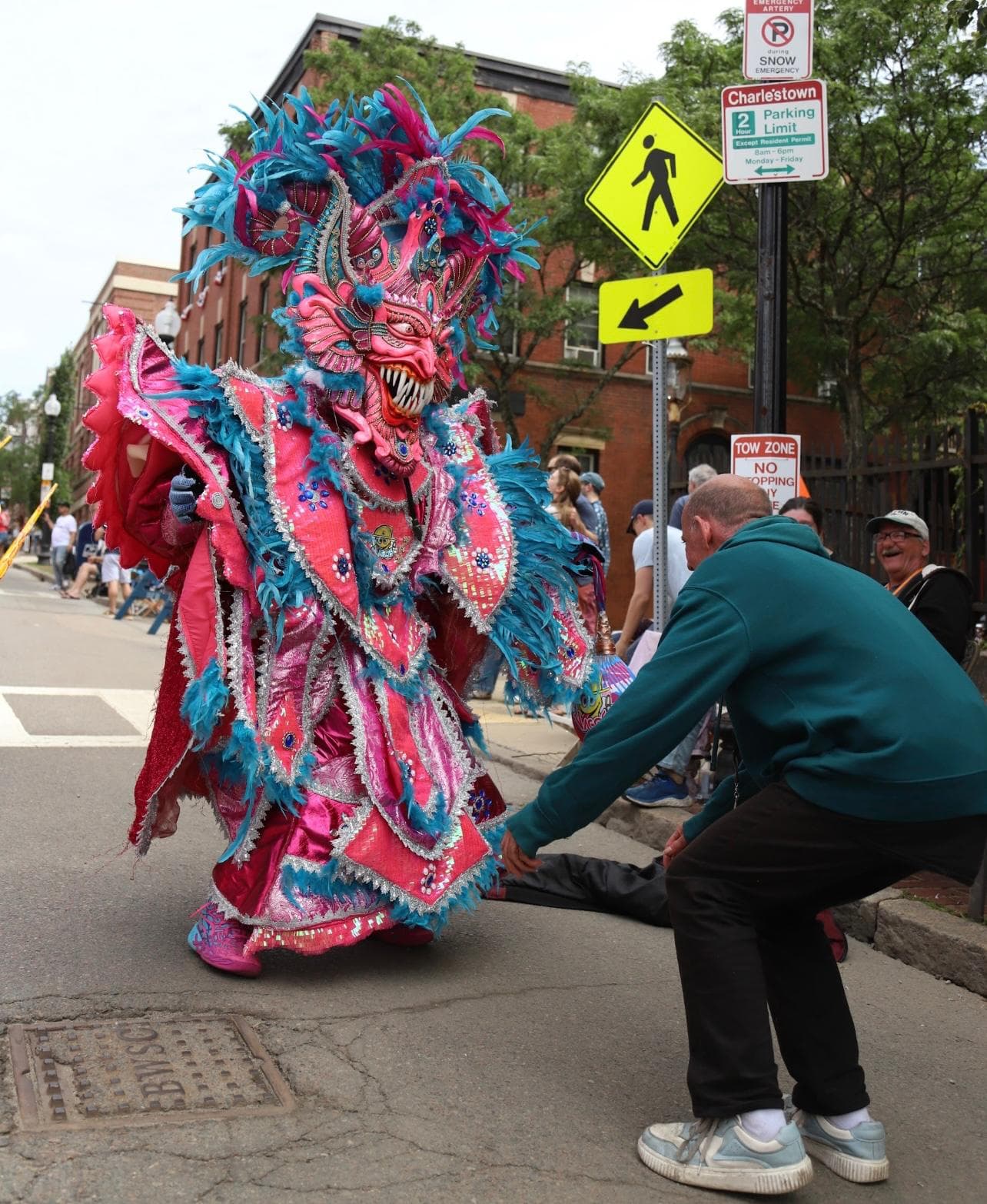
The diablos cojuelos — the 'limping devils' — are the most elaborate and fearsome characters of Dominican carnival, tracing their origins to the 1500s during the early days of carnival in La Vega. According to legend, a demon was banished to Earth for his clownish pranks in Hell and was injured in the fall. Easily recognized by its protruding teeth, exaggerated facial features, and flamboyant attire, this iconic figure embodies that legend.

The costumes are professionally made using real teeth, horns, and cowhides. A flowing cloak, a shimmering shirt, and trousers adorned with jingling bells serve as a playful satire of Spanish medieval knights. Each mask is a masterpiece of folk artistry, with multiple curved horns extending outward and intricate painted details. Unlike the graceful lechones, the diablos cojuelos jump and leap through the streets.

Legend says a demon was banished to Earth for his pranks and injured in the fall — hence 'limping devils.'

ACM Diablo Cojuelo performer in an elaborate pink and blue horned mask and sequined costume
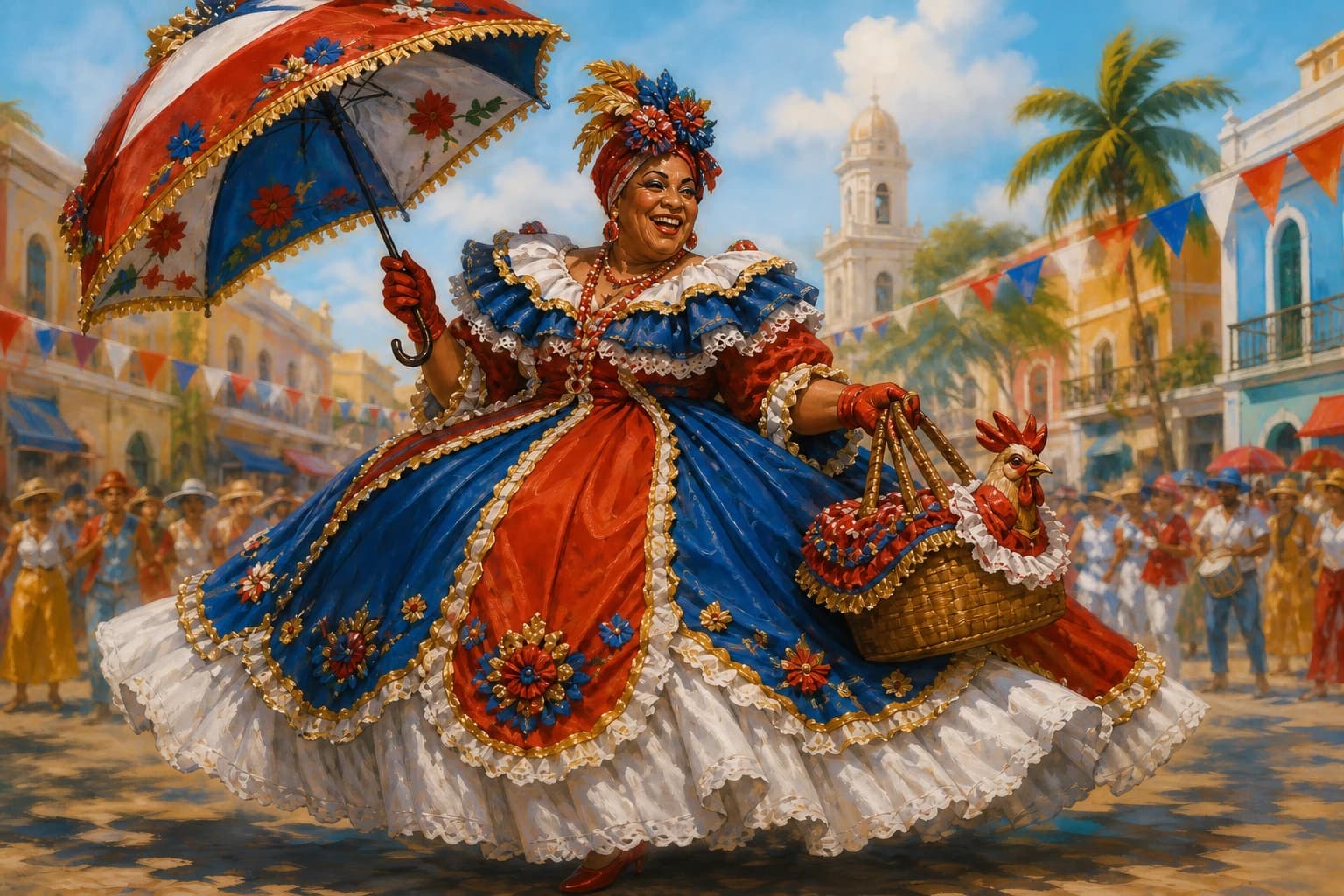
Editorial illustration of Roba La Gallina dancing in a red, white, and blue dress with an umbrella and chicken basket
Editorial illustration created for cultural education; not documentary photography.
The Chicken Thief

Roba La Gallina

Translating to 'the chicken thief,' this character has been part of Dominican carnival traditions since the time of the Haitian occupation, when individuals accused of stealing chickens were publicly shamed by being covered in feathers.

Traditionally portrayed by a man dressed in exaggerated feminine attire — complete with an elaborate dress, accentuated features, an umbrella, and a large handbag said to carry the stolen chicken — the character moves through the streets engaging and entertaining the crowd with lively, playful interactions.

How the Masks Are Made

The creation of carnival masks is an art form passed down through generations. While many masks are imported from the Dominican Republic, ACM maintains a talented corps of craftspeople who create and repair elaborate costumes and masks.

1

Clay Mold

The process begins with sculpting a detailed clay mold that captures the fierce expression and intricate features of each character.

2

Papier-Mâché

Layers of papier-mâché are carefully applied over the mold, building up strength and form with each layer.

3

Drying & Sanding

The mask is left to dry completely, then sanded smooth to create the perfect surface for painting.

4

Painting & Decoration

The final stage brings the mask to life with vibrant paints, detailed features, and decorative elements that define each character.